
The analytics loop that never stops learning.
XenvoraLoop designs continuous analytical loop systems for enterprises that have outgrown static reporting. We build high-precision environments where data optimization is an innate system property, not a manual intervention.

Engineered for continuous data optimization across the enterprise stack.
Modular architecture designed to eliminate logic decay and reduce computational latency.
System Audits & Loop Diagnostics
We analyze existing data pipelines to identify points of static failure. Our audits uncover where linear processing creates obsolescence in your operational intelligence.
- + Pipeline Latency Mapping
- + Logic Decay Assessment
- + Data Silo Identification
Bespoke Loop Architecture Design
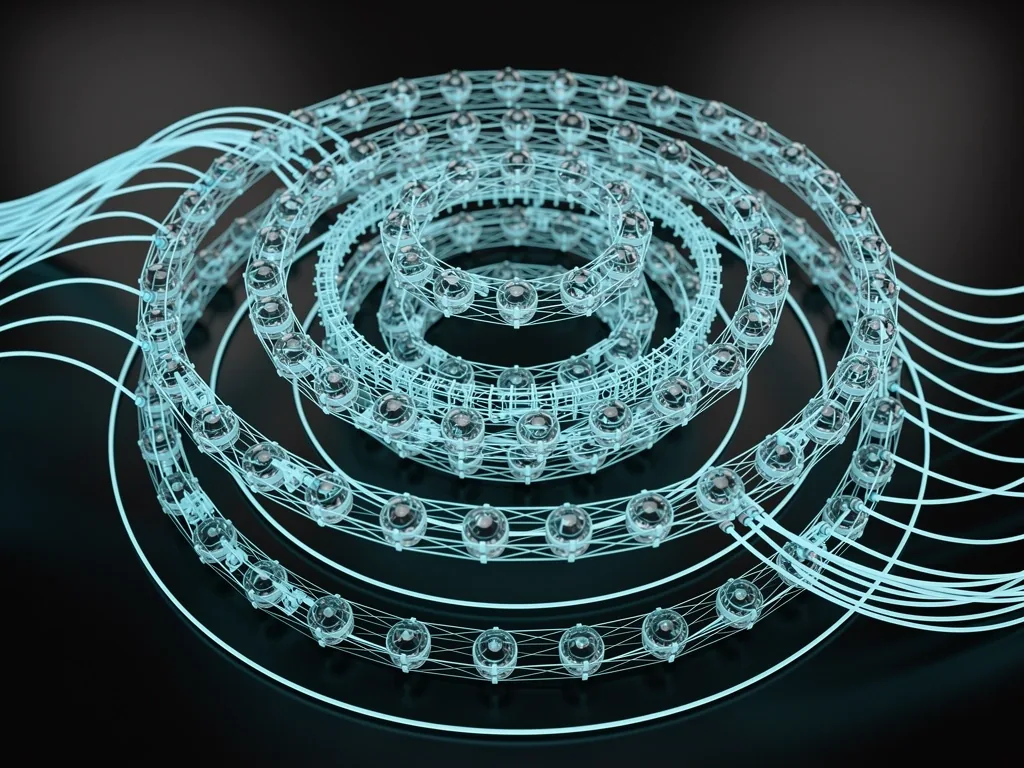
PRIORITY SERVICEWe build the recursive logic that transforms raw ingestion into a self-correcting system. This is the foundation of a modern analytical loop that updates parameters in real-time.
Legacy Bridge Integration
Connecting modern recursive analytics to established on-premise infrastructure. We create the translation layers necessary for continuous systems to pull from older data sources.
- + API Handover Protocols
- + Schema Normalization
- + Real-time Extraction Layer

Why linear data is dead weight.
Most enterprise systems produce reports that are obsolete by the time they reach your desk. Traditional batch processing creates a latency gap where decisions are based on the past, not the present.
XenvoraLoop eliminates this delay. By shifting from batch triggers to continuous analytical loops, your business logic refines itself every second. We don't just show you what happened; we build the system that reacts as it happens.
Consultancy HQ
Dhanmondi, Dhaka
Bangladesh
+880 1511 441 220
Availability
Sun-Thu: 09:00 - 18:00 (GMT+6)
Direct structural audits typically scheduled within 48 hours of initial inquiry.
start your loop optimization
Move your enterprise from static reports to a sustainable state of growth. Our architects are ready to review your system integrity and propose a transition logic.